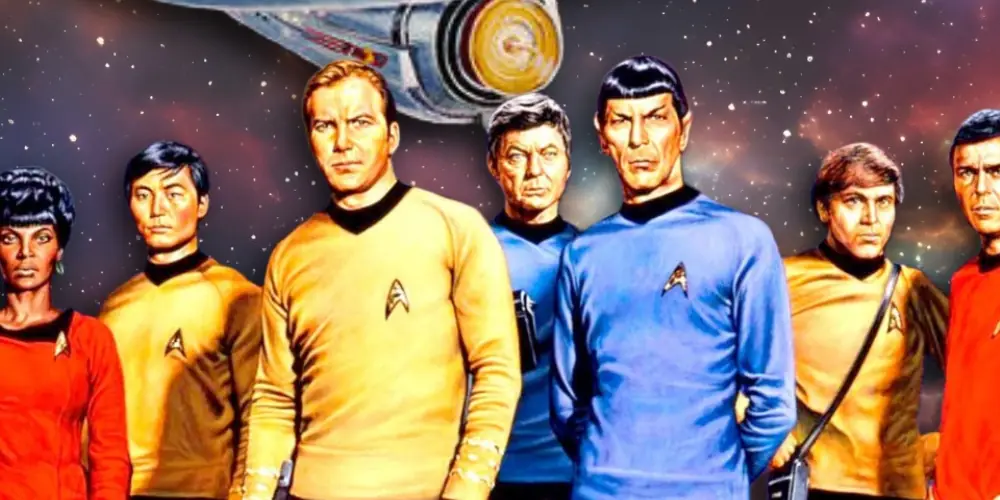
Before “Star Trek: The Original Series” became one of the most recognizable science-fiction shows in television history, its opening sequence looked very different.
Today, audiences instantly recognize the famous theme music and William Shatner’s legendary narration about exploring strange new worlds and seeking out new life and civilizations. Yet an earlier version of the introduction existed long before the series reached television screens.
That original opening was attached to “Where No One Has Gone Before,” the second pilot episode created for NBC executives. While the network approved the project and ordered the series, the introduction shown during that presentation never made it to broadcast.
Gene Roddenberry quickly moved in a different direction, and the decision ultimately helped shape one of television’s most memorable openings.
A Much Darker Beginning
The unaired introduction feels surprisingly different from the version audiences know today. Instead of the sweeping musical score associated with adventure and discovery, the sequence uses subdued and somewhat ominous music.
The familiar sense of excitement is largely absent. Rather than building anticipation for exploration across the galaxy, the soundtrack creates a mysterious and even unsettling atmosphere. The music becomes more noticeable when the “Star Trek” title appears on screen, but it still lacks the triumphant energy that later defined the series.
William Shatner’s narration also carries a slower pace. Combined with the restrained score, the sequence feels longer than it actually is.
Interestingly, the unused introduction runs slightly over one minute. By comparison, the opening eventually used for the series lasted about 49 seconds. Despite being only marginally longer, the original version feels far more drawn out because of its deliberate rhythm and darker tone.
William Shatner’s Unused Speech
The biggest difference appears in Captain Kirk’s narration.
Instead of the famous mission statement, viewers would have heard the following words:
“Enterprise log, Captain James Kirk commanding. We are leaving that vast cloud of stars and planets which we call our galaxy. Behind us, Earth, Mars, Venus, even our sun, are specks of dust.”
He continues:
“The question: What is out there in the black void beyond? Until now, our mission has been space law regulation, contact with Earth colonies, and the investigation of alien life. But now, a new task: A probe out into where no man has gone before.”
These lines reveal a very different vision of Starfleet’s purpose. Instead of presenting exploration as the organization’s defining mission, the speech suggests that Starfleet previously focused on enforcing regulations, maintaining contact with colonies, and investigating alien activity. Deep-space exploration appears to be a new assignment rather than an established objective.
Problems With Later Canon
For longtime followers of the franchise, the narration raises several questions.
One notable issue involves the statement about leaving the galaxy. The speech appears to blur the distinction between leaving the solar system and leaving the Milky Way itself. Throughout the “Star Trek” franchise, nearly every television series and film remains set within the galaxy. As a result, this description does not align with established lore.
The speech also clashes with stories introduced years later.
For example, “Star Trek: Enterprise” takes place roughly a century before “Star Trek: The Original Series.” That series follows Captain Archer as he makes first contact with new species, encounters unfamiliar civilizations, and ventures into unexplored regions of space. Those events directly contradict the idea that Starfleet had only recently begun serious exploration.
At the same time, parts of the narration connect surprisingly well with later franchise developments. “Star Trek: Discovery” highlights the role of Captain Christopher Pike and other Constitution-class starship captains as dedicated explorers. In that context, the unused introduction reflects Starfleet’s growing emphasis on deep-space missions rather than remaining close to Federation territory.
Why Roddenberry Replaced It
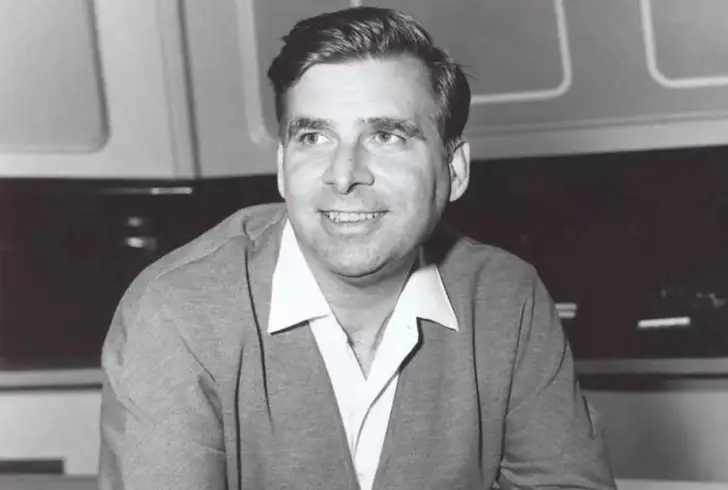
Gene Roddenberry recognized that the introduction needed a stronger identity. The revised opening delivered exactly that.
The iconic narration focused on discovery, curiosity, and exploration. The updated musical theme added excitement and optimism. Together, those elements created an introduction that instantly communicated the show’s purpose and tone.
As the series continued, minor adjustments were made in Seasons 2 and 3. However, the core formula remained intact because it successfully captured the spirit of “Star Trek.”
The earlier version lacked that same sense of adventure. While it remains an interesting historical artifact, it never generated the emotional impact of the introduction audiences eventually embraced.
A Unique Piece of Television History
The unaired opening remains a notable piece of “Star Trek” history, offering a rare look at the franchise before its creative identity was fully established. Its alternate narration, darker musical score, and different portrayal of Starfleet reveal an early direction that was later set aside.
The introduction also holds historical significance beyond television. In 1967, Gene Roddenberry submitted the first pilot, production materials, and related content to the Smithsonian Air and Space Museum. That collection included this early opening sequence, preserving it as part of American cultural history.
NBC ultimately approved the series after viewing this version alongside “Where No One Has Gone Before.” Even so, Roddenberry chose to replace it with a revised introduction that became one of television’s most recognizable openings.
That decision helped define the tone of “Star Trek: The Original Series” and contributed to the franchise’s lasting place in popular culture.