Royal travel is often linked with private jets, military aircraft, and carefully planned security operations. Yet not every journey taken by the British royal family takes place aboard an exclusive plane.
While official duties usually require chartered or government-approved aircraft, several senior royals have also flown on regular commercial airlines for personal trips and selected royal engagements.
Travel decisions depend on security needs, scheduling, cost, and long-standing royal customs. From Prince William and Kate Middleton boarding commercial flights to Queen Elizabeth II following detailed in-flight protocols, the royal family’s travel habits are more practical than many people expect.
When Royals Use Private Aircraft
When senior members of the British royal family travel for state visits or overseas engagements, they generally fly on chartered aircraft or planes approved by the British government. These arrangements help manage demanding schedules, provide added security, and make it easier to visit multiple locations within a short period.
For official government business, members of the royal family regularly use Royal Air Force (RAF) aircraft alongside privately chartered jets. The Royal Air Force VIP Voyager remains one of the primary aircraft available for both senior royals and government officials.
Official travel expenses are covered through the Sovereign Grant. According to the royal family’s annual financial report, overseas visits funded by the Sovereign Grant are coordinated by the Foreign, Commonwealth and Development Office (FCDO) and approved by the Royal Visits Committee.
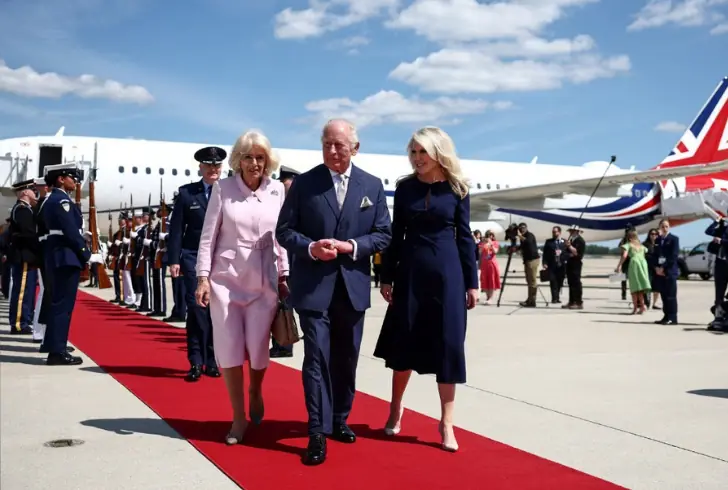
Financial records from the 2025–2026 fiscal year show that Prince William’s visit to Saudi Arabia in February 2026 was the most expensive royal journey, with travel costs reaching £130,000. By comparison, King Charles and Queen Camilla’s state visit to Canada in May 2025 did not create any expense for the Sovereign Grant.
William and Kate’s Commercial Flights
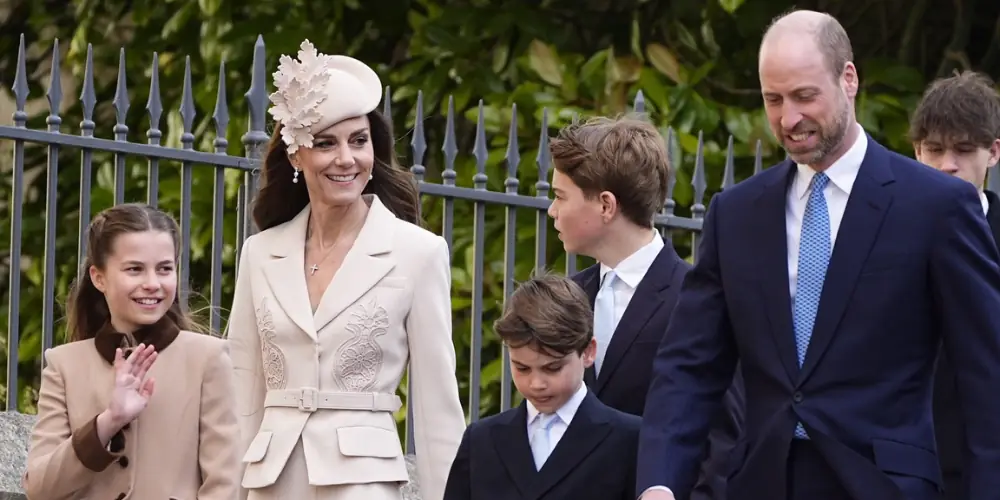
Although the Prince and Princess of Wales frequently travel aboard official aircraft, they have also selected commercial airlines on several occasions.
During their week-long royal tour of India in 2016, Prince William and Kate Middleton traveled from London to Mumbai on a British Airways commercial flight. Four years later, they used Aer Lingus while visiting Ireland for their first official royal tour of the country.
The couple also arrived in Boston aboard a commercial flight in 2022 during their first visit to the United States since 2014. These examples show that commercial travel can be an appropriate choice even for high-profile members of the monarchy when security and logistics allow.
Royals and Budget Airline Travel
Commercial travel has not always meant premium international airlines. Prince William and Kate have occasionally traveled on budget carriers during private family trips.
In 2011, the couple reportedly flew with Flybe and EasyJet while traveling to Scotland for Zara Tindall’s wedding. Later, in 2019, they boarded a Flybe flight from Norwich to Aberdeen while visiting Queen Elizabeth II at Balmoral.
Passengers only realized they had shared the flight with the royal family after landing. Prince William, Kate Middleton, and their three children quietly left the aircraft before entering waiting black Range Rovers.
One passenger later told The Sun, “Earlier in the flight, I’d had the feeling that someone had come on the plane that I’d recognized – but I thought it was just a footballer.”
The passenger added, “We landed, and people then saw two black Range Rovers on the tarmac.”
Describing the family’s departure, the passenger continued, “Suddenly, Will, Kate, and the kids all got up and left. They weren’t harassed by anyone at all as they got off the plane. They just seemed like a family traveling together, to be honest. No one saw them get on the plane either. It was amazing how they did it — they must have slipped on quietly, after people were already seated.”
Queen Elizabeth II Rarely Flew Commercial
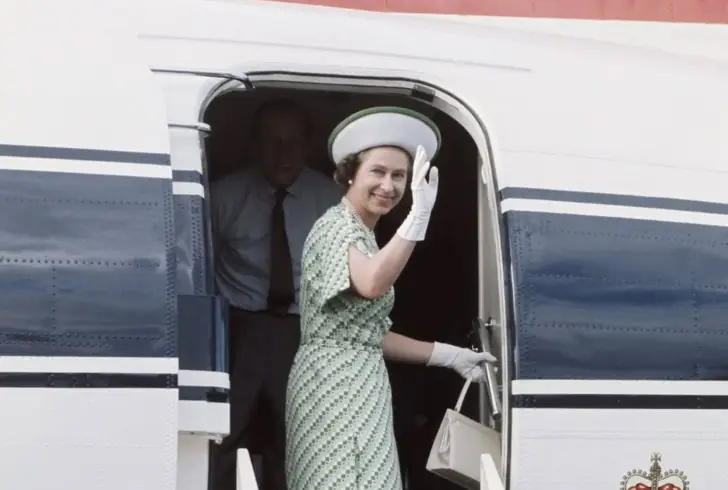
Queen Elizabeth II accumulated more than one million air miles during her reign, but commercial flights remained uncommon.
One of the best-known examples came in 1989 when she flew with British Airways alongside Prince Philip. Details from that journey became public in 2024 after memorabilia belonging to a former British Airways VIP flight attendant was offered at auction.
Auction house owner Charles Hanson revealed that the collection included “confidential instructions on how to care for our late queen and Prince Philip—right down to the sweets Her Majesty preferred on take-off.”
The guidance explained that Queen Elizabeth preferred Velamints, traveled with her own pillows, and enjoyed martinis during flights. Hanson also noted another instruction: “If Her Majesty was asleep prior to landing, cabin crew were instructed not to disturb her. She should be left in her bed.”
These documents highlighted the careful planning involved whenever the late Queen traveled, even on a commercial airline.
Why Royal Heirs Often Travel Separately
One of the longest-standing travel customs within the British royal family involves the line of succession. Traditionally, direct heirs avoid traveling together after children reach a certain age. The practice aims to protect the succession in the event of an unexpected accident.
In 2023, King Charles’ former pilot, Graham Laurie, discussed the protocol during “A Right Royal Podcast.” He explained, “Interestingly, we flew all four: the Prince , the Princess , Prince William, and Prince Harry, up until Prince William was 12 years old. After that, he had to have a separate aircraft, and we could only fly all four together when they were young with the written permission of Her Majesty.”
Today, this guidance generally means Prince William and his eldest son, Prince George, are expected to travel separately. Even so, royal travel decisions are now assessed individually, with security experts and palace officials weighing each situation before plans are finalized.
The British royal family’s travel arrangements combine security, tradition, financial responsibility, and modern convenience. Official tours typically require chartered or military aircraft, while personal trips may involve commercial airlines when practical.
Prince William, Kate Middleton, King Charles, Queen Camilla, Queen Elizabeth II, and other members of the monarchy have all followed different travel approaches depending on the purpose of each journey. Although royal flights often appear exclusive from the outside, history shows that commercial travel has remained an occasional part of royal life for decades.