The legal battle surrounding the “Golden Globe Awards” has entered a new chapter after former members of the Hollywood Foreign Press Association (HFPA) accused Penske Media Corporation of using deceptive tactics to take control of the long-running awards show.
The federal lawsuit claims the acquisition was not a straightforward business deal but part of a carefully planned effort to reduce the value of the Golden Globes before purchasing it.
The plaintiffs are seeking at least $150 million in damages while asking the court to cancel the agreement that dissolved the HFPA.
Dispute Over Acquisition
The lawsuit, filed Tuesday in federal court in California, alleges that Penske Media Corporation, its owner Jay Penske, and other parties orchestrated a scheme to gain ownership of the “Golden Globe Awards.”
According to the complaint, Penske worked alongside Eldridge Industries and its chief executive, Todd Boehly, to create conditions that weakened the organization before the sale.
Court documents describe the alleged plan as a “clandestine scheme to fraudulently acquire the prestigious and valuable 80-year-old Golden Globe Awards” and to gain monopolistic control over Hollywood trade publications, entertainment awards, and advertising markets.
The lawsuit argues that these actions violated both federal and California unfair competition and antitrust laws.
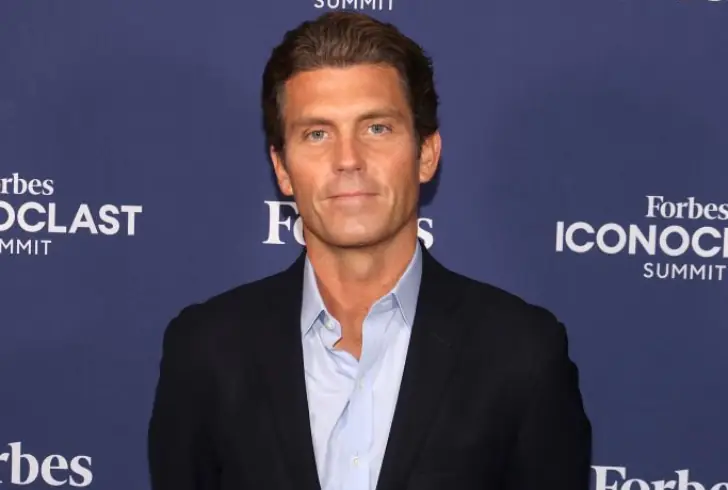
One of the central claims is that Boehly and Eldridge concealed Penske Media’s involvement during the 2023 transaction. The plaintiffs argue that the HFPA board would not have approved the sale had it known the full details of Penske’s participation.
Broken Promises and Leadership Claims
Former HFPA members also claim they accepted the deal after receiving assurances that included lifetime Golden Globe event tickets, continued voting rights, and additional member benefits. The lawsuit states those commitments were later restricted by conditions that made them difficult or impossible to use.
The complaint also alleges that individuals connected to the buyers gained influence within HFPA leadership before the agreement was completed. According to the filing, that influence helped move the acquisition forward despite concerns raised by members.
Penske Media controls several major entertainment publications, including Variety, Deadline, The Hollywood Reporter, Rolling Stone, and Billboard. The company also owns Dick Clark Productions, which produces major award ceremonies, including the “American Music Awards,” and now holds a partial ownership stake in the “Golden Globe Awards.”
Boycott Claims and Industry Controversy
The lawsuit links the acquisition to the public backlash surrounding the Golden Globes in 2021. That controversy intensified after a Los Angeles Times investigation reported that the HFPA had only one Black member, prompting widespread criticism across Hollywood.
NBC chose not to broadcast the awards ceremony in 2022 following the backlash. The new complaint claims that Todd Boehly and Jay Penske secretly encouraged the boycott and used Penske-owned entertainment publications to amplify negative coverage. According to the plaintiffs, those actions reduced the organization’s market value before the purchase.
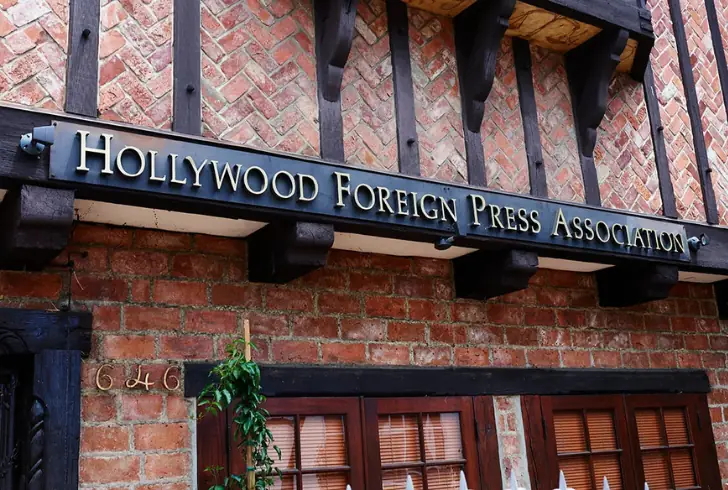
After the 2023 acquisition and restructuring, the “Golden Globe Awards” moved to a new television home on CBS.
Although the lawsuit repeatedly references Todd Boehly and Eldridge Industries, neither was named as a defendant. The filing does not explain that decision, and the plaintiffs declined to comment. Boehly and his company also did not immediately respond to requests for comment.
Current Owners Reject the Allegations
Representatives for the current owners of the “Golden Globe Awards” strongly denied the claims. In a public statement, they said the lawsuit “continues the absurdity and irrationality that the industry has come to expect from the defunct organization formerly known as the HFPA.”
The complaint also accuses Penske and Boehly of misusing California nonprofit laws. It argues that the Golden Globe Foundation, created after the HFPA’s philanthropic operations were reorganized, helped lower the purchase price and now operates as a de facto extension of the for-profit Globes LLC.
The Golden Globes organization rejected those accusations as well. Its statement described the lawsuit as “this latest act of duplicity is a new low, even for the HFPA.” It added that former members were attempting to use the independent Golden Globe Foundation to regain access to Golden Globes tickets, calling it “an unfortunate distraction that inappropriately diverts resources from legitimate charitable causes.”
The statement also said the organization remains concerned that the HFPA, which has faced criticism over ethical failures, non-inclusivity, racism, and misconduct involving talent, continues to pursue what it called illegitimate legal claims.
The lawsuit asks the court to award at least $150 million in damages and overturn the agreement that dissolved the Hollywood Foreign Press Association. If the case moves forward, it could bring renewed attention to the ownership transition of the “Golden Globe Awards” and the legal questions surrounding one of Hollywood’s most recognizable entertainment events.