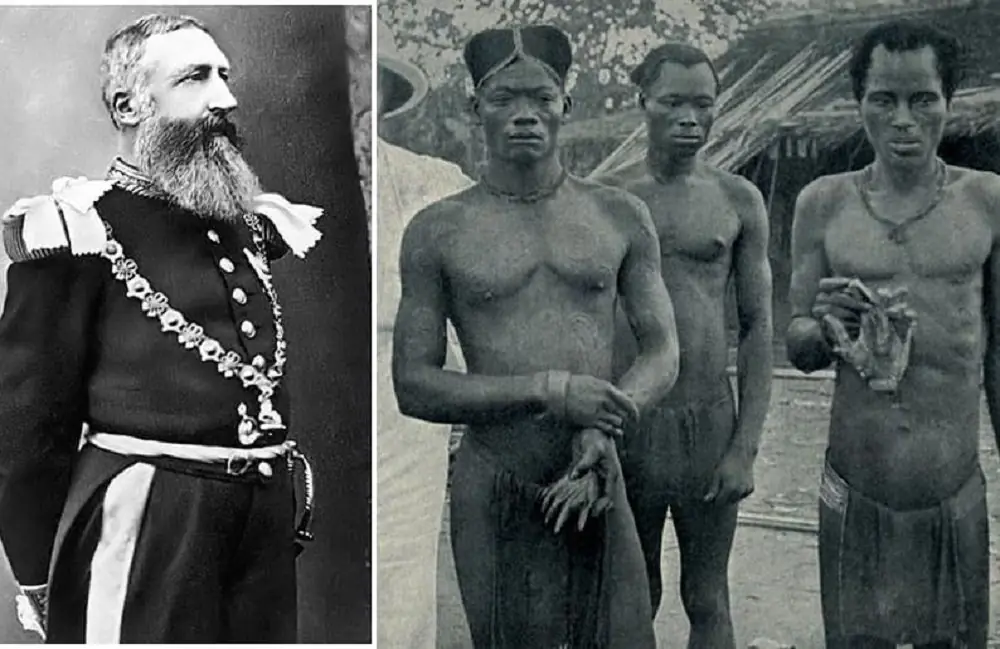
The King Leopold II speech delivered on November 18, 1889, during the Anti-Slavery Conference in Brussels, marked a significant turning point in European involvement in Africa. Organized by King Leopold II of Belgium, this conference was not just about ending the slave trade; it was a calculated move in the broader Scramble for Africa, paving the way for intensified European colonization.
Context of the Anti-Slavery Movement
In the 19th century, the anti-slave trade movement gained considerable momentum across Europe. While slavery had been outlawed in European countries by 1889, the practice continued unabated in certain regions of Africa. European nations, driven by both genuine humanitarian concerns and economic interests, sought to end the Arab slave trade in Africa. However, these efforts were often intertwined with their colonial ambitions.
The Role of King Leopold II
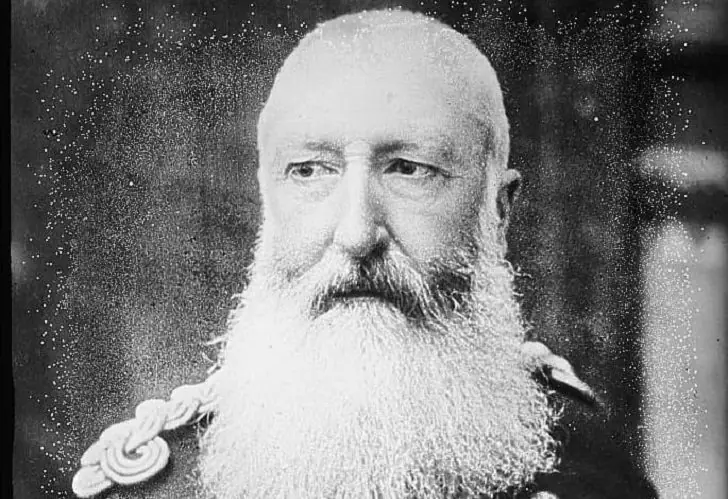
King Leopold II was central to this conference, portraying himself as a humanitarian leader while secretly pursuing his colonial interests in Africa. He had previously secured the Congo Free State under the guise of philanthropy, promising to end the slave trade. However, his true intentions were far from altruistic. The 1889 conference, which brought together 17 world powers, allowed Leopold to solidify his control over the Congo while appearing to champion the cause of abolition.
The Brussels Conference Act of 1890
The conference culminated in the Brussels Conference Act of 1890, which aimed to end the Arab slave trade in Africa. This act, while outwardly progressive, lacked the necessary enforcement mechanisms to truly end slavery and its associated practices, such as forced labor. European powers, under the guise of humanitarian efforts, used this act to justify their colonial expansion in Africa. This allowed them to establish administrative, judicial, and military control over African territories, ostensibly to suppress the slave trade but also to cement their dominance.
Colonial Infrastructure and Control
One of the key outcomes of the conference was the agreement to build infrastructure such as roads, railways, and telegraph lines across African territories. While these developments were ostensibly to eradicate the slave trade, they also served to strengthen European control over Africa. The act also restricted the importation of firearms, limiting the ability of Africans to resist European rule. This move further consolidated colonial power, allowing European nations to maintain their dominance under the pretext of humanitarian efforts.
Leopold’s Exploitation of the Congo
King Leopold II skillfully used the Anti-Slavery Conference to tighten his grip on the Congo. He imposed an import duty on the Congo River, securing revenue for his regime under the guise of supporting anti-slavery efforts. This revenue was used to finance his brutal regime in the Congo, where atrocities such as forced labor, mutilation, and exploitation became rampant. Leopold’s actions in the Congo exemplify the dark underbelly of European colonialism, where humanitarian rhetoric was often a cover for exploitation and violence.

European Powers and the Scramble for Africa
The broader implications of King Leopold II’s speech and the subsequent conference cannot be overstated. This event marked a critical juncture in the Scramble for Africa, where European powers, under the guise of ending slavery, divided and exploited the African continent for their own gain. The infrastructure projects agreed upon during the conference were not just about ending the slave trade; they were also about securing European interests and ensuring long-term control over African territories.